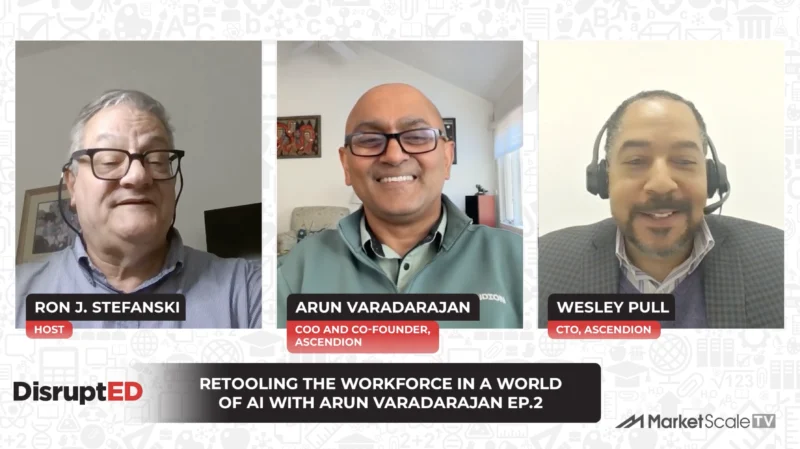
DisruptED: Generative Design And The Future of Advanced Manufacturing, Part 2
In today’s rapidly evolving technological landscape, the world of advanced manufacturing is undergoing a seismic shift. Generative design, a cutting-edge approach that leverages algorithms to produce optimized designs, is at the forefront of this transformation. As industries from medicine to automotive grapple with the challenges of innovation, this new technological innovation emerges as a beacon of potential. Recent research indicates that this approach can lead to a 30% reduction in in material costs, along with a major decrease in construction time. So how is generative design revolutionizing the manufacturing world, and what does it mean for the future of design and production?
On the second part of this two-part episode of DisruptED, host Ron J. Stefanski continues his conversation with Bradley Rothenberg (CEO) and Blanca Aguado (Chief Operating Officer) of nTop, digging deepr into the intricacies of generative design and its implications for advanced manufacturing. Key discussion points include:
– The transformative impact of generative design across various sectors, including medicine, aeronautical engineering, and automotive.
– The challenges and strategies of attracting and retaining a diverse talent pool in a company like nTop.
– The future vision for nTop and the broader industry, emphasizing real-time solving of complex engineering phenomena.
Bradley Rothenberg, the CEO at nTop, has been a trailblazer in the realm of generative design, leading his company to challenge the status quo and push boundaries in design and manufacturing. Blanca Aguado, with her unique background in philosophy, brings a fresh perspective to the table, emphasizing the importance of problem-solving and collaboration in driving innovation.
Article by Rafael Abreu