Lessons Learned in Disaster Response, Recovery, and Resiliency
Natural disasters are one of the most unpredictable, but expected forms of destruction that humanity can expect to happen anywhere and at any time. Unfortunately, many types of disasters result in the loss of life, in addition to wide-scale devastation. When it comes to educational facilities like schools, there’s a certain type of disaster response that communities will need in the aftermath of one. The city of Joplin, Missouri, which experienced a deadly tornado in 2011, would come to terms with this when a disaster occurred on a high school’s graduation day and caused the death of seven students and a staff member.
Natural disasters are unavoidable, but how can preparedness, particularly in schools, assist in response efforts to them? And what did Joplin School officials learn from it?
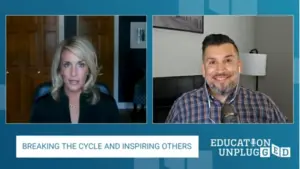
In the latest “School Safety Today” podcast, host Michelle Dawn Mooney interviewed Dr. C.J. Huff, an Education Consultant and Disaster Recovery Expert and the former superintendent of Joplin Schools. Dr. Huff discussed how the tornado impacted the district’s students, families, and staff and what he learned from the urgent needs Joplin needed immediately after.
Mooney and Huff also talked about …
1. How the Bright Futures framework assisted in Joplin Schools’ recovery and rebuilding efforts following a devasting EF-5 tornado
2. Strategies to build local leadership and resource capacity
3. Lessons learned that are applicable to the day-to-day crises school communities face
“One of the primary lessons learned and where Bright Futures really comes into play, is the idea that relationships matter. You have to have relationships in your community, across your community, and across your region, in order to be able to be successful in that long-term recovery effort,” said Dr. Huff.
“Because all disasters start at low point, have a lot of resources pouring into your community initially, but the next disaster comes along, those resources go away to address that next disaster, and you kind of find yourself relying on those resources you have there locally or regionally, and the thing that Bright Futures did for us in Joplin, prior to the disaster, was allowed us that opportunity to build those connections, relationships across the community, put support structures in place to meet the needs of our kids, identify those resources, create systems that would allow us to get those resources quickly to our children, so that we can stabilize our lives to the greatest degree possible as we dealt with poverty issues and other issues that surfaced that so many of our kids are faced with, and then leverage those partnerships and relationships to create new opportunities for our kids.”
Dr. C.J. Huff is an educator, an Education Consultant and Disaster Recovery Expert, and the former superintendent of Joplin Schools. He led his district’s disaster response strategy, and he has over two decades of experience as an educator. Dr. Huff is also the founder of Bright Futures USA.