How the Oil and Gas Industry are Increasing ESG Compliance


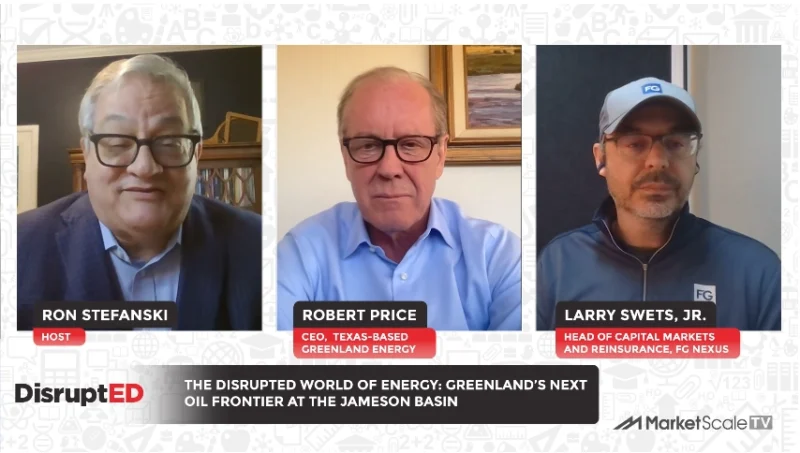
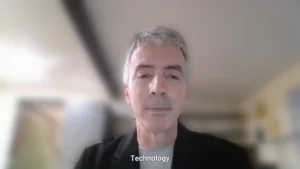
To align with a national push towards more sustainable operations, the oil and gas industry are focused on increasing ESG compliance. What can these companies do to alter their operations, and what impact will these changes have on their environmental footprint? VP of Business Development at Pioneer EnergyJoseph Palaia gives his insight.

Joseph’s Thoughts:

“I wanted to give you guys a little bit of an update on the industry. Right now, there’s a lot of interest in the oil and gas industry on increasing ESG compliance. So, this is environmental, social and governance is what ESG stands for. A lot of companies are, and their stakeholders are interested in improving the environmental footprint and environmental aspects of their company.

That’s the environment is the biggest part of that by far, that they’re focusing on. There’s a lot of emissions that come from oil and gas operations and that is just the nature of the beast. And these companies are in this current environment with private administration really focusing on emissions is a big thing that they want to address.

There’s a lot of focus on these companies taking a look at their operations, trying to figure out okay, what can we do? Can we do this in a more responsible way? Is there new technology that we can employ? Can we deploy equipment to be able to see where there are emissions from our operations, and then what can we do about those emissions?

So, in general, my opinion is that this is a good thing for the industry. It’s a good thing for our country, in general, to be focusing on eliminating these sources of waste and tightening up these operations. And by and large, the industry is really supportive of this and is aggressively trying to do the right thing.”


 

Follow us on social media for the latest updates in B2B!

Image

Latest

inclusion
Inclusion Beyond Compliance: What It Really Takes to Build Workplace Cultures Where People Feel Seen, Supported, and Free to Belong
December 16, 2025

Inclusion is often reduced to policies and checklists, but its true measure shows up in everyday experiences — in whether people feel seen, supported, and able to contribute without hiding parts of who they are. When organizations move beyond compliance and toward genuine understanding, they open the door to talent, perspective, and potential that…

Read More
healthcare
How Simulation-Based Education Is Transforming Healthcare Leadership and Decision-Making Worldwide
December 16, 2025

As healthcare systems worldwide face rising costs, workforce shortages, and increasing pressure to balance quality with financial sustainability, traditional classroom-based management education is struggling to keep pace. According to the World Economic Forum, healthcare spending now accounts for nearly 10% of global GDP, making leadership decision-making more consequential—and more complex—than ever. At the same…

Read More
work-based learning
Scaling Work-Based Learning in the Curriculum: How Riipen Powers Real Employer Projects at Scale
December 15, 2025

Higher education is facing renewed scrutiny over how well it prepares students for life after graduation. Employers are increasingly signaling that many graduates enter the workforce without real-world, job-ready experience—placing new pressure on higher education to rethink how learning connects to work. Research on high-impact practices consistently shows that experiential and work-based learning boosts…

Read More
private equity
Alts Innovators: UT Austin’s Dr. Ken Wiles on Private Equity
December 15, 2025

Private equity is entering a period of adjustment after decades of expansion fueled by falling interest rates and abundant capital. That long-running tailwind reversed beginning in 2022, when interest rates rose sharply, disrupting deal activity, slowing exits, and bringing renewed attention to a long-standing vulnerability in private markets: liquidity. Industry reports have highlighted softer fundraising,…

Read More