Building Trust Through Education and Data Innovation
The relationship between socioeconomic backgrounds and health outcomes has been proven through years of study. Healthcare providers understand that those from lower socioeconomic brackets often face more health challenges. This is attributed to limited healthcare access, challenging living conditions, and elevated stress. How can data innovation help stakeholders solve these pressing issues?
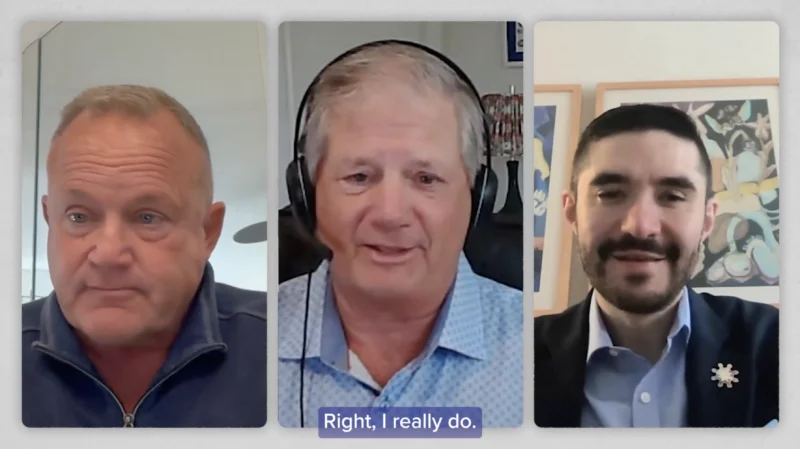
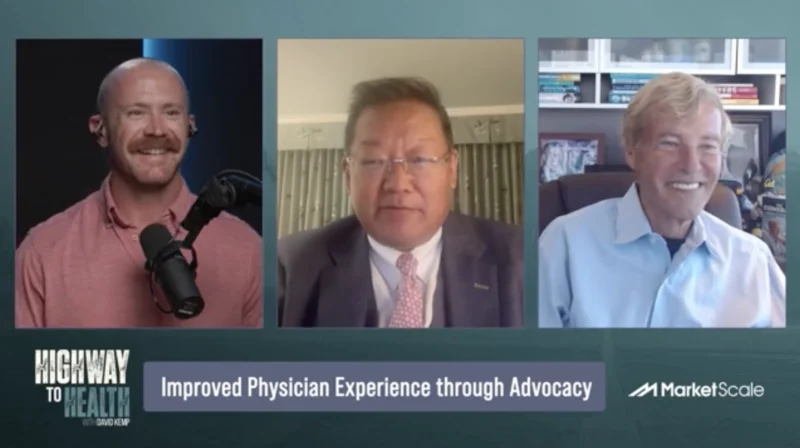
Brian Urban, the Director of Innovation and Emerging Markets at Finthrive, delved into this intricate topic on today’s episode of Highway to Health with host David Kemp. Finthrive “delivers frictionless revenue experiences…to transform revenue management” in the healthcare industry. Central to Finthrive’s approach is the Data Humanity Lab. By donating data that covers variables like income and education, Brian’s organization is determined to grasp how socioeconomics influences health outcomes. Because of this, Data Humanity Lab is creating partnerships within the healthcare industry.
Find out in today’s episode how the Data Humanity Lab is:
- Earning recognition from academic institutions for exploring patterns linked to social determinants of health.
- Impacting public policies and data-driven interventions and data innovation.
- Steering healthcare providers toward tailored, affordable interventions.
Brian wants to bridge the gaps between different stakeholders, like grant writers and social workers, to close social fissures. “To close some of the societal fissures we have, you need to be able to work with the teams that are of a research background or grant writing background to have the rest of their enterprise buy into it,” Brian says.
Brian Urban is the current Director of Innovation and Emerging Markets at Finthrive. He earned several master’s degrees from different American colleges and universities, most notably Brown University and Dartmouth College. Brian has over a decade of experience in the healthcare and public health industry. However, he is most proud of being a father and a companion to his pets.