A Business Perspective on the Importance of Protecting Consumer Health Data
The healthcare industry has come under intense scrutiny in recent years due to multiple cases of health data breaches, leading to concerns over data privacy and security. The Federal Trade Commission (FTC) has taken steps to address this issue, cracking down on the sharing of personal health data without consumer knowledge or consent. Besides the ethical responsibilities intrinsic with handling health data, what are some of the ways decision makers should strategically approach and view the task of protecting consumer health data?
In one such FTC case, BetterHelp was fined by the FTC for sharing user data with third-party advertisers without obtaining proper consent. Similarly, GoodRx was ordered to stop sharing consumer data with third-party data brokers. Even hospitals like Cedars-Sinai have not been immune to these issues, with a lawsuit accusing the hospital’s website of sharing patient data without proper consent.
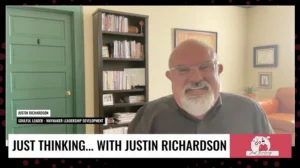
Geoffrey M. Roche, Senior Vice President of the National Health Care Practice & Workforce Partnerships at Core Education PBC, stresses the importance of protecting consumer health data not only from a regulatory standpoint but also from a business perspective. Companies that rely on consumer information must prioritize transparency and consent in data collection and sharing to build trust and confidence with consumers, especially when that data is health data and highly sensitive in nature.
Geoffrey’s Thoughts
“Let me first say that I applaud the FTC for looking at ways to further protect consumer health. Protecting consumer health data is very, very important, not only because it’s personal to each and every consumer, but the information that’s contained there is extremely personal and also extremely valuable to each and every consumer.
Certainly from a business perspective, this step by the FTC will lead to many different ways that an organization has to consider. Not only how they protect this inform. But how it’s stored, how it’s shared, and most importantly, what is a company or organization doing to further protect consumer health data?
I would encourage all organizational leaders to truly think about it through the lens of a consumer, think about it through the lens of whether they would ever want their personal health data. That’s exactly the question that we should always be asking, but I’m encouraged that the FTC is taking this step because as a healthcare leader and an individual that has worked in healthcare, and as a patient myself, I absolutely positively want my consumer health data protected.”
Article written by Galina Mikova.