What Can We Expect From the Impact of the Healthcare Worker Shortage?


Commentary:

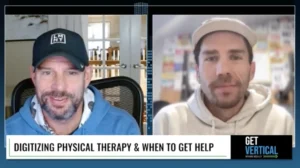
What lessons can we learn from the healthcare worker shortage? How do health systems build trust with their patients?

In Jo Kline’s new book, Patient or Pawn?: Epic fails in health care, the approaching perfect storm and strategies for self-preservation, Kline shares the stark reality of America’s health care demographics and the system’s failure to acknowledge this predictable clash of supply versus demand. Most importantly, it offers straightforward action steps that empower both health care consumers and providers to achieve the best health outcomes, in spite of policy makers’ and stakeholders’ refusal to prepare for this inevitable crisis.

Daniel Litwin wanted to pick Kline’s brain about a couple topics that have been pervasive in the healthcare system: the health care worker shortage: What we know and what can be done about it

Abridged Thoughts:

Shortages are getting all the headlines, and it’s true there’s about 500,000 fewer health care workers than we had in February of 20 just before the pandemic. But what’s really happening here? It turns out an elder boom arrives about 70 years after a baby boom. And when this perfect storm of health care comes, the secret to accessing care and remaining safe will be having strategies for self-preservation. That’s what you’ll find in my book “Patient or Pawn?”.

Number one, we are going to have about 17 million more seniors people age 65 and older in America by 2030, 17 million more than today. At the same time, almost half of All-American adults of all ages have two or more chronic health conditions. Throw in the fact that a third to a half of today’s health care professionals will have retired by the end of this decade, “Patient or Pawn?” strategies for self-preservation are for providers and patients.

More Like This Story:

How Did Rural Hospitals Expand, Even During a Pandemic?

How to Prevent Employee Burnout in Nursing Fields

Follow us on social media for the latest updates in B2B!

Image

Latest

The Tech-Enabled Hospital of the Future: Implications for Care Delivery
March 12, 2026

Gone are the days when a hospital was simply a place where patients received care. Today’s hospitals are rapidly evolving into highly connected ecosystems powered by advanced technology, networked devices, and real-time data. The modern hospital is no longer confined to physical walls—it’s a dynamic digital environment where data flows seamlessly, AI supports clinical decisions,…

Read More
career
Stop Chasing Titles, Build a Career That Matters: A CAO’s Advice on Long-Term Success
March 11, 2026

Career advice in finance and accounting often centers around promotions, titles, and compensation. But in an era where professionals frequently change jobs every few years—the average American worker now stays in a role for less than four years—industries are facing growing talent shortages and reevaluating what long-term career success looks like. The question many…

Read More
Career success
A CEO’s Blueprint for Career Success: Leading with Love to Drive Performance and Culture
March 10, 2026

Leadership right now feels heavier than it did just a few years ago. Teams are stretched, expectations are high, and many employees are quietly disengaged. In fact, Gallup’s 2025 U.S. data shows that only about 31% of employees are actively engaged at work, leaving the majority feeling disconnected or indifferent. For CEOs and senior…

Read More
employer-sponsored apprenticeships
The Degree That Pays You Back: How Employer-Sponsored Apprenticeships Are Rewriting Higher Ed
March 9, 2026

Higher education is under pressure. Over the past few years, public confidence in the value of a four-year degree has declined significantly, with fewer Americans expressing a strong belief that traditional higher education delivers a worthwhile return on investment. At the same time, employers consistently report that graduates lack job-ready skills—particularly the “durable skills”…

Read More