Rethinking the Standard of Care: How Noninvasive Therapy Could Change Heart Disease Outcomes
Heart disease remains the leading cause of death in the U.S., with 683,491 deaths reported in 2024, according to the CDC. As cardiovascular care shifts toward access, prevention, and value-based outcomes, noninvasive therapies are gaining renewed attention for patients who continue to experience symptoms after traditional interventions. At the same time, rising healthcare costs and hospital readmission rates are putting pressure on providers and payers to find treatments that improve outcomes without adding risk or burden.
But if a proven therapy can improve blood flow without surgery, why is it still often treated as a last-line option?
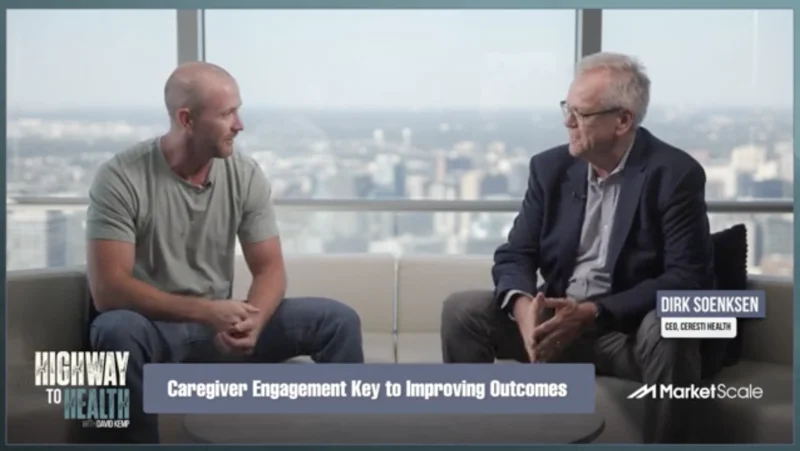
Welcome to Highway to Health. In the latest episode, host David Kemp talks with Michael Gratch, CEO and founder of Flow Therapy, about rethinking heart disease treatment through counterpulsation therapy, also known as EECP. Their conversation explores patient access, physician education, delivery-model innovation, and why Flow Therapy is working to make noninvasive cardiovascular care easier to understand and easier to receive.
Key highlights from the episode…
- Counterpulsation therapy may help relieve heart disease symptoms—such as chest pain, shortness of breath, or fatigue—that occur with activity and ease with rest.
- Flow Therapy’s care model is built around access and experience, replacing the traditional hospital-based “room at the end of the hall” with dedicated outpatient centers.
- Education remains the biggest barrier, as Gratch believes the therapy should be considered earlier in the care pathway, not only after all other options have failed.
Michael Gratch is the CEO and founder of Flow Therapy, a company he launched in 2003 after searching for better options for his grandfather, who became the company’s first patient. A former athlete, Gratch chose entrepreneurship in health care over a professional football opportunity, building Flow Therapy around a mission to make noninvasive cardiovascular treatment more accessible to patients with chronic heart disease symptoms. His work has focused on expanding EECP access, improving the care experience and partnering with cardiologists and health systems to bring counterpulsation therapy into a broader standard-of-care conversation.
Article written by MarketScale.