The Importance of Personalization in the Restaurant Industry
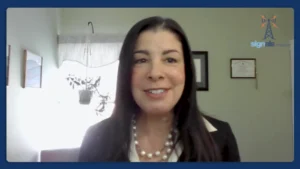
Every customer wants a unique and tailored experience no matter what they are buying or where they are going. This is especially true in the hospitality and restaurant industries; beyond great cuisine and excellent service, there is certainly a desire for more. And that more comes in the form of personalization. To dissect this topic, we were joined by Alice Wilson , reservations and membership director of Inception Group, an operator of a number of unique bars, restaurants, and clubs in London.
Having a personal connection with diners traditionally has been something that would begin with the maître d’, who knew frequent diners’ names and was able to carry on a conversation like old friends. Unfortunately, that strategy, especially in a tourist-heavy city, is not scalable or practical in the modern world.
“Knowing the face and name is great and makes the guest feel special. But it’s not something you can do on a large scale without the help of technology,” Wilson said.
More and more, venues are embracing technology that allows them to track visitors and interact with them. But is there a clear ROI on the tech? Wilson says yes.
“With the software we use, you can see return visits, spend, and other information. Then you can easily reach out to those people. You can almost immediately see ROI. We create campaigns on the platform and can see how they respond to it,” Wilson said.
Inception Group also understands that its customers like accessibility to reservations, as 70% of bookings are made online. They were, at first, hesitant to take this on because they felt it may impact their ability to personalize. Software like SevenRooms‘, however, is gathering the necessary data to make the guest experience individualized.
“You’re already telling a venue a little bit about yourself. Something a little bit personal. And we need to make sure to use that information to enhance the experience when they arrive,” Wilson said.
For the latest news, videos, and podcasts in the Food & Beverage Industry, be sure to subscribe to our industry publication.
Follow us on social media for the latest updates in B2B!
Twitter – @FoodMKSL
Facebook – facebook.com/marketscale
LinkedIn – linkedin.com/company/marketscale