Case Study: How Icom Radios and One Volunteer Built the Ultimate Rescue UGC—Powered by MarketScale


A mission-tested radio. A frontline volunteer. A story no ad could script.
“It’s not marketing. It’s survival.”
In the Cascades, search and rescue isn’t a metaphor. It’s real terrain, real risk, and real radios.
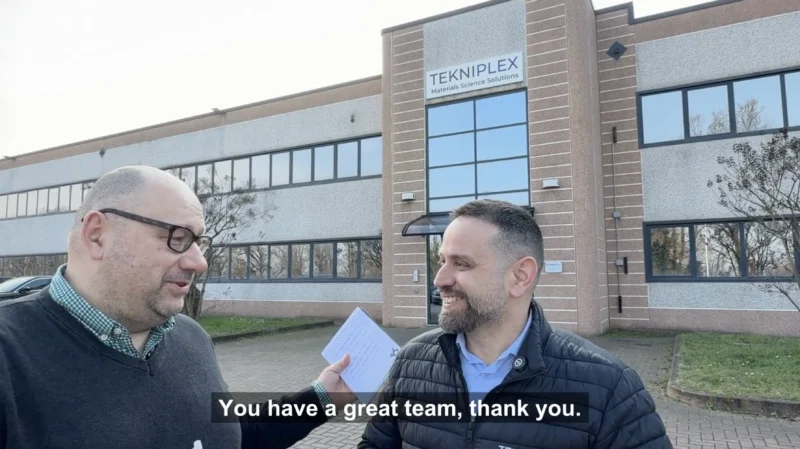
Nathan Lorance is a service technician at Icom America. But when he’s not bench-testing gear, he’s knee-deep in rugged wilderness with King County Search and Rescue (KCSAR). Out there, Icom radios aren’t branding tools. They’re lifelines.
In a short video captured via MarketScale Studio, Lorance doesn’t pitch. He testifies. About mountains that swallow signals. About radios that punch through. About nights when the only thing between a team and silence is a VHF channel that works.
This isn’t a product campaign. It’s what happens when the gear, the mission, and the story converge.
Terrain Doesn’t Flinch
SAR teams don’t operate in ideal conditions. They operate in the opposite.
-
Dense forest. Snow-drifted ravines. Sheer cliffs and no cell coverage.
-
70% of KCSAR’s missions happen along Washington’s brutal I-90 corridor.
-
And when the signal fails, people die.
-
Two-way radios aren’t optional. They’re operational doctrine. Built for off-grid, push-to-talk immediacy, VHF transceivers are the backbone of modern SAR communication.
And in that world, Icom is the name written in the snow, dust, salt, and blood.
The Brand That Shows Up in Avalanche Zones
Founded in 1954. Trusted in every disaster since. Icom manufactures for land, sea, sky, and space. Their portfolio spans from handhelds for forest rescue to HF transceivers on Antarctic expeditions. This is gear with a rep that precedes it:
-
Radios that survive being submerged in glacial melt.
-
Comms gear used by volunteer SAR and the U.S. Coast Guard alike.
-
Top-ranked performance in sensitivity, clarity, and ruggedness.
You don’t get that reputation from ad copy. You get it from surviving.
Lorance Doesn’t Sell Radios. He Depends on Them.
He services Icom products by day. Then takes them into the field at night.
He doesn’t quote specs. He quotes field time. Rescue loadouts. Team chatter cutting through terrain that chews up signal for breakfast.
“Most of our missions happen in mountainous terrain. RF propagation is severely limited… the radios in my truck have been a lifeline.”—Nathan Lorance, KCSAR President and Icom America Technician
This is what full-circle credibility looks like. When the employee is also the customer. When the customer is also the rescuer. And when the rescuer hits record.
MarketScale Didn’t Script This. They Let It Speak.
The video wasn’t story-boarded. It was lived. MarketScale simply gave it structure:
-
Capture tools to document the unscripted.
-
Post pipelines to amplify the raw.
-
Studio infrastructure to turn frontline footage into strategic media.
The result: content that feels more like field reporting than marketing. Less Mad Men, more embedded journalism.
UGC Doesn’t Just Work. It Works Better.
When stakes are high, trust matters more than tone.
-
76% of people trust employee content more than brand content.
-
UGC gets 8x more engagement than traditional marketing.
-
Peer-to-peer stories outperform top-down messaging—especially in industries like SAR, defense, medtech, and energy.
When Lorance hits record, he’s not a brand asset. He’s an ambassador with a story no campaign could craft.
The Signal That Cut Through
Icom didn’t manufacture this moment. They made the product that made it possible. A technician-turned-rescuer. A product that doesn’t flinch. A story that no agency could write.
And MarketScale—quietly behind the lens—enabled the world to see it.
This is what it looks like when the user becomes the media.