How Tesla Hacked UGC to Create a Marketing Machine (Without Spending on Ads)

Tesla doesn’t do traditional advertising. No Super Bowl commercials. No paid influencer campaigns. No Google Ads.
Instead, it’s built one of the most powerful marketing machines on the planet—by letting its customers do the work.
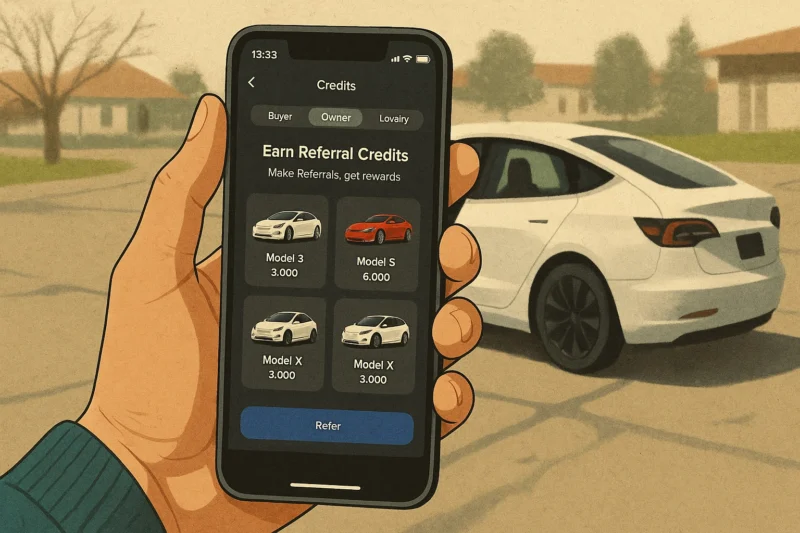
And the secret weapon? The Tesla Referral Program.
Elon Musk has turned Tesla’s referral system into a viral growth engine, constantly tweaking it to drive urgency and engagement. Sometimes it disappears. Sometimes it comes back with new perks. Every time, it gets people talking.
But this isn’t just a simple “refer a friend” deal—it’s a masterclass in user-generated content (UGC), and it’s disrupting the way brands think about marketing.
How Tesla Turns Customers into a Sales Force
The referral program doesn’t just reward new buyers—it turns every Tesla owner into a walking, talking, content-creating brand ambassador.
Here’s how it plays out:
Tesla owners share their referral codes on social media, in group chats, and even in YouTube videos. When someone uses their code, both parties get a reward—anything from discounts on a new Tesla to Supercharging credits or accessories.
For influencers, this is a goldmine. Many have posted their codes and racked up enough referrals to get a Tesla essentially for free—just by sharing content and letting their audience do the rest.
This isn’t some fluke; it’s designed to work this way.
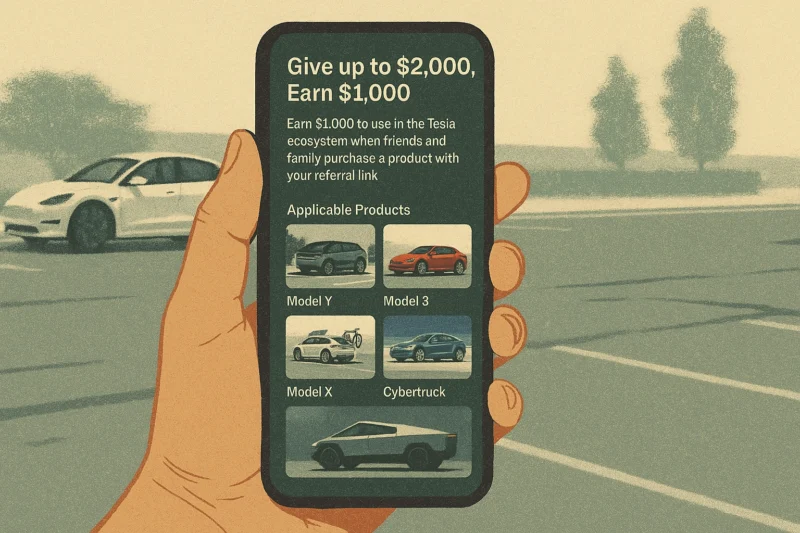
The UGC Flywheel: Why This Works Better Than Ads
This strategy doesn’t just bring in sales—it creates a viral loop where Tesla owners are constantly posting content, driving more referrals, and feeding the cycle.
Why is this better than spending millions on ads?
- People trust people, not ads. A recommendation from a Tesla owner is far more persuasive than a paid campaign.
- It’s self-funding. Instead of burning cash on marketing, Tesla reinvests in rewards, ensuring every dollar spent results in a direct sale.
- Influencers go all-in. They’re not just talking about Tesla for fun—there’s a real financial incentive to keep creating content.
- It fuels organic hype. Referral codes turn every Tesla owner into a marketer, spreading the brand through authentic, engaging posts.
From Sales to Social: How Tesla Shifts the Marketing Game
This strategy isn’t just about cutting ad costs—it’s about shifting marketing from paid promotion to organic influence.
Tesla doesn’t need a billion-dollar ad budget when it has:
- Customers creating UGC daily
- A referral system that keeps them engaged
- A scarcity-driven program that drives urgency
Other brands pay influencers. Tesla pays them in Teslas.
And that’s the difference.
The Future of Tesla’s UGC Domination
Tesla’s ability to generate organic hype is unmatched. As long as it keeps the referral program fresh, customers will keep creating, influencers will keep sharing, and the Tesla brand will keep growing without spending a dime on ads.
At the end of the day, Tesla isn’t just selling cars.
It’s selling a movement.
And every referral, every video, every post keeps that movement alive