Can H-E-B’s Digital Strategy Compete with Kroger and Walmart?


The texas-based grocery chain, H-E-B, looks to open two new stores in the North Texas area by the Fall of 2022. With targets for Frisco and Plano, they seem to be planning to dominate market share in these Dallas suburbs, similar to what they do in other major Texas cities such as San Antonio and Austin. Walmart and Kroger currently control the market, mainly through a strong ecommerce strategy.

What will H-E-B’s strategy be as they head into the North Texas Market?

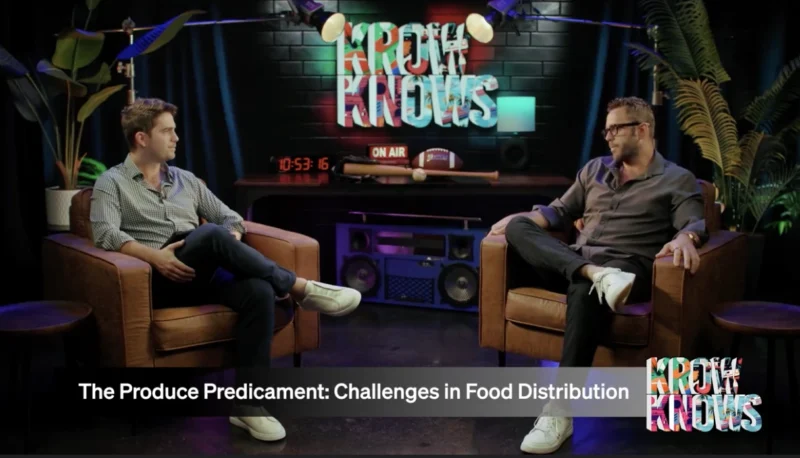
Voice of B2B, Daniel Litwin chatted with Nick Minnick, the Director of Retailer Development at Chicory, a digital shopper marketing platform combining contextual advertising with shoppable technology, on Marketscale TV to dive into H-E-B and the Dallas market.

With such a tight and competitive market share between Kroger and Walmart, Minnick thinks those two giants will stay in control.

“There’s definitely a high level of competition within the Dallas/Fort Worth market,” Minnick said. “But, HEB has competed with other chains throughout Texas and has historically demonstrated its ability to maintain and steal share.”

H-E-B does an excellent job of being “Texas First,” according to Minnick, and they focus on the “local” aspect of their business. He noted their Texas-First approach in their branding and Texas sourced items in their ecommerce stores.

“Most importantly, a lot of their community and local outreach efforts that have built up goodwill throughout the state of Texas are going to translate to that Dallas/Fort Worth market,” Minnick said.

Follow us on social media for the latest updates in B2B!

Twitter – @MarketScale
Facebook – facebook.com/marketscale
LinkedIn – linkedin.com/company/marketscale

Follow us on social media for the latest updates in B2B!

Image

Latest

transportation management
Transportation Management Systems Don’t Compete With Carriers, Brokers, or Shippers — They Align Them
February 10, 2026

Transportation management systems are undergoing a quiet but consequential shift. Once viewed primarily as tools for tracking loads and storing paperwork, modern TMS platforms are increasingly expected to function as the operational backbone of logistics organizations. As freight volumes continue to fluctuate, margins remain tight, and supply chains rely on a growing mix of…

Read More
AI adoption strategy
Five by Five Leadership: Why Purpose, Warmth, and Clarity Matter More Than Ever at Work
February 10, 2026

For the first time in history, workplaces now span five generations, forcing leaders to rethink long-standing assumptions about motivation, communication, and career growth. As Gen Z enters the workforce, they bring expectations shaped by a desire for meaningful work, clear development paths, and work-life balance—rather than traditional, one-size-fits-all career ladders. In an era marked…

Read More
Experiential
Scaling Experiential Learning at Slippery Rock University with Dr. John Rindy
February 9, 2026

Regional public universities are being asked to do more with fewer students, fewer dollars, and less margin for error—making student persistence, timely graduation, and career outcomes central institutional concerns. Under mounting enrollment pressure and a shifting labor market, experiential learning has moved from a “nice to have” to a strategic imperative. Research consistently shows…

Read More
data center workforce
The Next Data Center Bottleneck Isn’t Power or Cooling — It’s People: The Data Center Workforce
February 8, 2026

With the rapid rise of AI workloads, data centers are being built with higher power density, stricter reliability expectations, and cooling technologies that are evolving faster than most teams can adapt. As a result, these facilities aren’t just getting bigger—they’re becoming harder to operate, harder to staff, and far less forgiving when something goes…

Read More