Get Your Fix: The Art and Science of The Convenience Store. Part 1 of 2



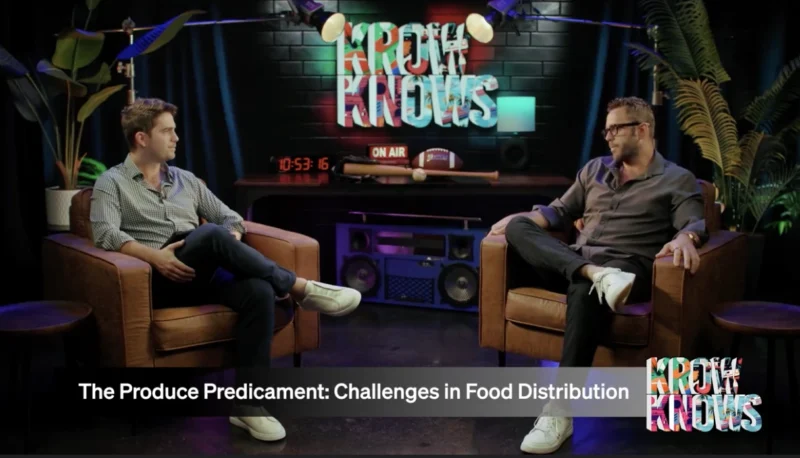
To many consumers, the convenience store represents just that: convenience shopping. But Sumit Kar, Sr. Director of Operations, Vixxo, and Eric Warner, Director of Construction, Vixxo, both know there’s a lot that goes into making the convenience store experience engaging for the customer. Kar and Warner stopped by Get Your Fix for the first in a two-part series on what makes the convenience store experience valuable.

Kar noted three important variables convenience stores rely on to stay relevant and in business during a shifting landscape of consumer behavior and a pandemic that has impacted all facets of retail. “How do we control costs, stay competitive in the environment, and adapt to the customers’ changing needs?” Kar said. “I think those are the things everyone in the convenience store industry is trying to solve.”

In recent years convenience stores have found themselves, with increasing fashion: adapting more and more to the shifting needs of the consumer. “It’s gone from a traditional convenience store model, selling beverages, and basic commodities, to a more retail model,” Kar said. “The consumer today is much more demanding. They want healthier, organic, and more high-end products.”

“The biggest shift I’ve seen over the past five-to-ten years is probably the size of the facilities,” Warner said. “They’ve increased from the standard twelve hundred, fifteen hundred square foot boxes up to five, six, and seven thousand square foot.” Stores are maximizing the lot space to include more gas pumps on the outside and an elegant, inviting décor on the inside. Increased offerings and capabilities inside and outside of the store are all drivers to increase foot traffic.

For the latest news, videos, and podcasts in the Food & Beverage Industry, be sure to subscribe to our industry publication.

Follow us on social media for the latest updates in B2B!

Twitter – @MarketScale
Facebook – facebook.com/marketscale
LinkedIn – linkedin.com/company/marketscale

Follow us on social media for the latest updates in B2B!

Image

Latest

The Tech-Enabled Hospital of the Future: Implications for Care Delivery
March 12, 2026

Gone are the days when a hospital was simply a place where patients received care. Today’s hospitals are rapidly evolving into highly connected ecosystems powered by advanced technology, networked devices, and real-time data. The modern hospital is no longer confined to physical walls—it’s a dynamic digital environment where data flows seamlessly, AI supports clinical decisions,…

Read More
career
Stop Chasing Titles, Build a Career That Matters: A CAO’s Advice on Long-Term Success
March 11, 2026

Career advice in finance and accounting often centers around promotions, titles, and compensation. But in an era where professionals frequently change jobs every few years—the average American worker now stays in a role for less than four years—industries are facing growing talent shortages and reevaluating what long-term career success looks like. The question many…

Read More
Career success
A CEO’s Blueprint for Career Success: Leading with Love to Drive Performance and Culture
March 10, 2026

Leadership right now feels heavier than it did just a few years ago. Teams are stretched, expectations are high, and many employees are quietly disengaged. In fact, Gallup’s 2025 U.S. data shows that only about 31% of employees are actively engaged at work, leaving the majority feeling disconnected or indifferent. For CEOs and senior…

Read More
employer-sponsored apprenticeships
The Degree That Pays You Back: How Employer-Sponsored Apprenticeships Are Rewriting Higher Ed
March 9, 2026

Higher education is under pressure. Over the past few years, public confidence in the value of a four-year degree has declined significantly, with fewer Americans expressing a strong belief that traditional higher education delivers a worthwhile return on investment. At the same time, employers consistently report that graduates lack job-ready skills—particularly the “durable skills”…

Read More