

signals in higher ed
signals in higher ed provides a forum for trusted messengers to share proven solutions, and meaningful outcomes, for education. Host: Darin Francis, CEO & Managing Partner at Harbinger Lane Consulting and guest host of DisruptED.
Videos
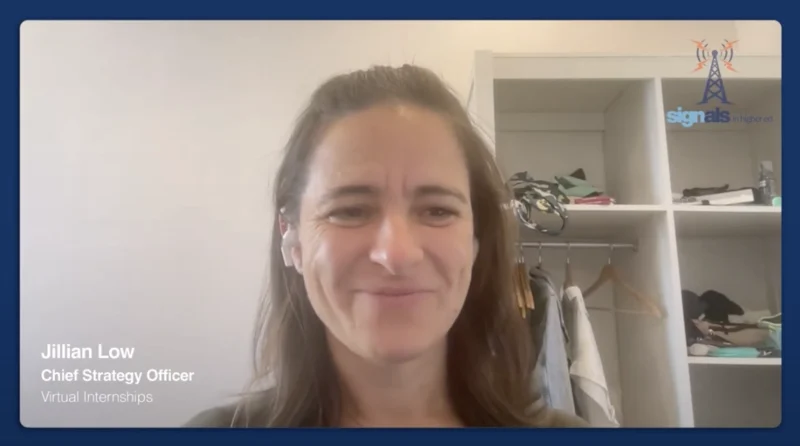
Tale of Two Interns: What AI Is Really Doing to Entry-Level Work
The narrative around early-career work has become increasingly pessimistic, with headlines pointing to a shrinking pool of entry-level roles, fewer internship opportunities, and AI accelerating both trends. But beneath that narrative, a different tension is emerging—one that’s less about the disappearance of opportunity and more about how it’s being reshaped. Students are using AI…
Building the Next Generation of Educators Through Apprenticeship Pathways and Workforce-Aligned Training
Teacher shortages aren’t exactly a new headline—but lately, they’ve started to feel a lot more urgent. In some places, schools have gone years without enough fully trained teachers in the classroom, exposing real flaws in how we prepare and retain educators. Add in the rising cost of becoming a teacher and training models that haven’t…
The Employer University Alignment Journey with Kristen Fox, CEO of Business-Higher Education Forum
Across the U.S., the conversation about the value of a college degree is increasingly tied to one central question: Does higher education actually prepare students for the workforce? As artificial intelligence reshapes how work gets done and employers rethink the skills they need, universities are under growing pressure to ensure graduates leave not just…
The Degree That Pays You Back: How Employer-Sponsored Apprenticeships Are Rewriting Higher Ed
Higher education is under pressure. Over the past few years, public confidence in the value of a four-year degree has declined significantly, with fewer Americans expressing a strong belief that traditional higher education delivers a worthwhile return on investment. At the same time, employers consistently report that graduates lack job-ready skills—particularly the “durable skills”…
Why Institution-Wide Employer Alignment Will Define the Next Era of Higher Ed
Higher education is at an inflection point. Institutions are facing a demographic cliff in traditional-age enrollment, softening international pipelines, and increasing scrutiny around the return on investment of a degree. At the same time, the World Economic Forum reports that 59 out of every 100 workers globally are projected to require reskilling or upskilling…
Workforce Alignment, and the New Blueprint for Career-Connected Learning Ecosystems
Workforce shortages, shifting federal and state policy, and rising skepticism about the return on investment of a traditional four-year degree have pushed career-connected learning to the forefront of education reform. According to the U.S. Bureau of Labor Statistics, overall employment is expected to increase by nearly 4.7 million jobs between 2022 and 2032, with…
Flood the Zone: University of Virginia’s New Strategy to Scale Experiential Learning for Every Student
Experiential learning is having a bit of a reckoning moment in higher ed. For years, the default answer was “get an internship” or “do a co-op”—as if every student can pause life, relocate for a summer, and take on a high-stakes role that’s supposed to define their future. But students’ realities have changed: many…
Scaling Experiential Learning at Slippery Rock University with Dr. John Rindy
Regional public universities are being asked to do more with fewer students, fewer dollars, and less margin for error—making student persistence, timely graduation, and career outcomes central institutional concerns. Under mounting enrollment pressure and a shifting labor market, experiential learning has moved from a “nice to have” to a strategic imperative. Research consistently shows…
Work-Based Learning & Career Coaching with Strada Education: Closing the Gap Between Education and Opportunity
As higher education faces mounting pressure to demonstrate clear career outcomes, institutions are rethinking how learning connects to work and the role of career coaching in that process. Employers continue to report skills gaps, students are questioning the return on investment of a degree, and states are demanding stronger alignment between postsecondary education and…
Experiential Learning: A Cure for the Medical Worker Shortage with Jason Aubrey of Skilltrade
Healthcare systems across the U.S. are facing a persistent and worsening medical worker shortage, particularly in allied health roles that keep hospitals, clinics, and surgery centers running. Rural access gaps, rising tuition costs, and skepticism about the ROI of traditional degrees are colliding with urgent employer demand. At the same time, momentum is building…
A One-Year College Alternative: How Pega6 Is Preparing to Train AI-First, Job-Ready Talent
The traditional four-year college model is facing growing pressure as rising tuition, shifting labor market demands, and new technological realities expose gaps between education and employment outcomes. Confidence in the traditional college pathway is eroding among parents, students, and employers as rising costs and persistent skills gaps collide with the reality that many new…
Career-Connected Continuing Ed: How Upright Education Helps Colleges Upskill Adult Learners in Digital Skills
Higher education is undergoing a quiet shift. While undergraduate enrollments remain in long-term decline, continuing education has emerged as one of the sector’s fastest-growing segments, expanding at more than 11% annually. At the same time, rapid advances in AI, data, and cybersecurity are reshaping nearly every job category, forcing institutions to rethink how quickly…
From 30 to 1,500 Students: Scaling Mass Experiential Learning with How to Change the World
Higher education is at a crossroads. Institutions are being asked to do more with less—serve more students, prepare them for a rapidly changing, AI-shaped workforce, and prove the real-world value of a degree—all at the same time. Employers consistently note that while graduates are technically capable, many struggle to apply what they’ve learned to…
Scaling Work-Based Learning in the Curriculum: How Riipen Powers Real Employer Projects at Scale
Higher education is facing renewed scrutiny over how well it prepares students for life after graduation. Employers are increasingly signaling that many graduates enter the workforce without real-world, job-ready experience—placing new pressure on higher education to rethink how learning connects to work. Research on high-impact practices consistently shows that experiential and work-based learning boosts…
The Program Sharing Model: How Rize Education’s Collaborative Approach Expands Access to Cutting-Edge Majors and Career-Aligned Learning
Small private colleges are facing unprecedented pressures: rising instructional costs, shrinking budgets, and mounting skepticism about the return on investment of a four-year degree. At the same time, employer demand for job-ready talent is accelerating, creating urgency for institutions to modernize curriculum and increase access to experiential learning. According to Rize Education CEO Kevin…

The End-to-End Model: Impact Consulting’s Strategic Approach to Work-Based Learning
As colleges and universities grapple with enrollment pressures, shifting student expectations, and a tightening labor market shaped by AI and automation, the demand for meaningful work-based learning experiences has grown dramatically. Research across the UK’s higher education sector shows that hands-on industry engagement is becoming a leading factor in student decision-making and employability outcomes. Institutions…
The Job Dating Model: How Micro Internships Build Talent, Enable Smarter Hiring, and Boost Campus Impact
Experiential learning is surging in relevance. Employers are finding it harder than ever to evaluate early-career talent, while students are graduating into a labor market where more than half—about 52%—end up in roles that don’t require their degree. That disconnect is prompting colleges to reimagine how they equip students for meaningful career entry. Meanwhile,…
The New Playbook for College ROI: Podium Education’s Scalable Model for Real-World Learning
The debate around the return on investment (ROI) of a four-year degree has reached a fever pitch. As tuition costs rise and employers question the value of traditional credentials, higher education leaders are rethinking how to make college more career-relevant. Experiential learning—work-based and project-based education embedded within curricula—is emerging as one of the most promising…
Gamifying College Readiness: How Loper Makes the Enrollment Journey More Engaging!
High schoolers are overwhelmed — and not just by homework. The path to college can feel like a maze of forms, essays, and deadlines, with little guidance on where to begin. A recent survey found that nearly three-quarters of students describe the college application process as “difficult.” For many, that difficulty isn’t academic; it’s…
Holistic Support in Higher Ed: Why Non-Traditional Students Need More Than Just Financial Aid
Non-traditional students—adult learners, student parents, veterans, and first-generation college-goers—are carrying heavier burdens than ever. Upswing’s 2024 Ana Insights Report found that nearly nine in ten students intended to complete a FAFSA application, while many also sought help with essentials like food, housing, and bill payments. Perhaps most concerning, students expressed declining confidence in higher…
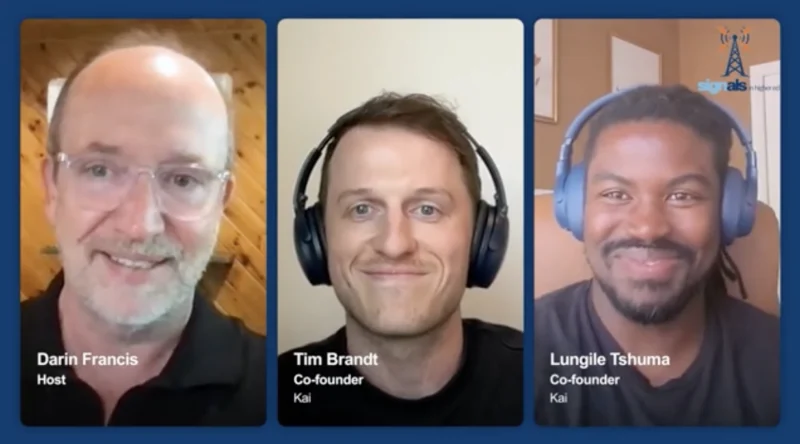
Kai: Finally an AI Solution for Enrollment Teams to Create Connection, Not Just Mine Data!
Artificial intelligence has become the buzzword of the moment in higher education, but for many enrollment teams, it often feels like just another layer of complexity on top of an already demanding job. Budgets are tight, teams are stretched thin, and the pressure to recruit and retain students has never been greater. What leaders…
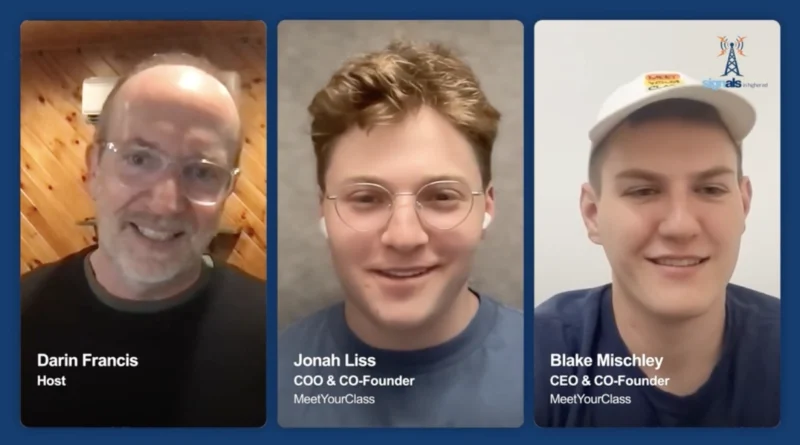
MeetYourClass Heads to NACAC 2025 with a Vision for the Future of Enrollment and Community On Campus
With enrollment numbers slipping and student expectations shifting, colleges are under more pressure than ever to create real, lasting connections that make students feel part of a community. Research shows that institutions lose up to 10–40% of admitted students to “summer melt” each year, a challenge that directly impacts revenue and retention. At the…
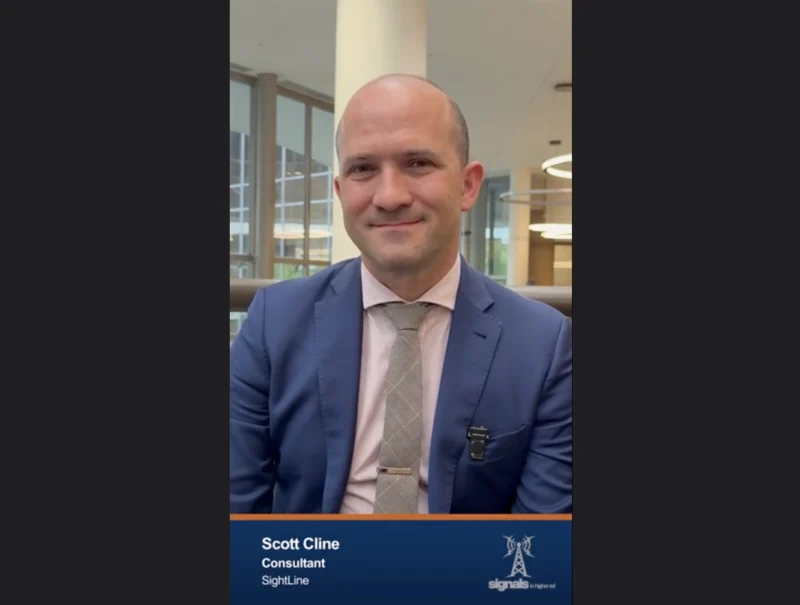
Why Data-Driven Financial Aid Strategies Are Critical to Higher Ed’s Future
As higher education faces declining public trust and heightened financial pressure, colleges are being pushed to rethink how they manage enrollment and financial aid. Data analytics and predictive modeling are emerging as critical tools, with institutions seeking ways to allocate limited aid dollars while still aligning with their missions. According to the most recent…
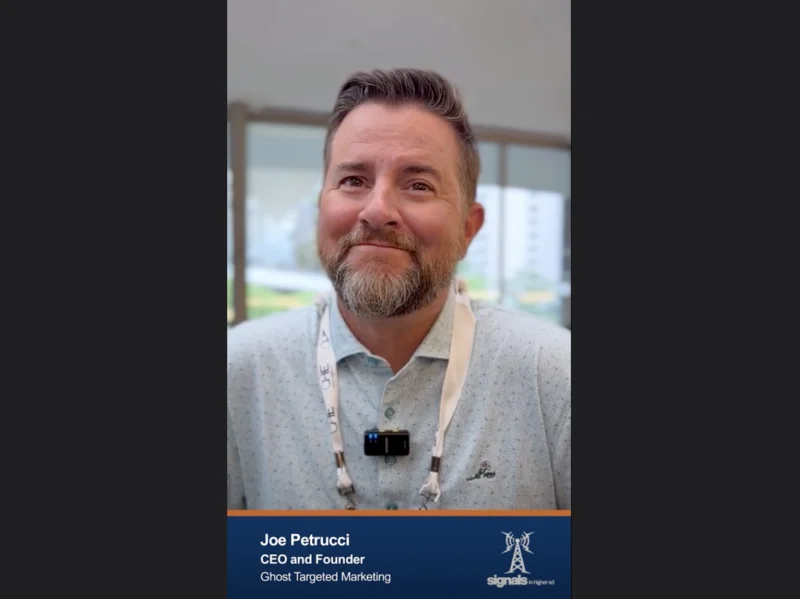
Colleges Turn to Precision Marketing, Advanced Tracking, and Privacy-First Strategies to Engage Stealth Students
Colleges and universities face mounting challenges in reaching prospective students who never formally identify themselves in the recruitment process—often called “stealth shoppers.” Research shows that at least one in three applicants to private four-year colleges in the U.S. apply as stealth students. For enrollment leaders, this hidden audience—students who research institutions anonymously online before…