Strengthening Customer Loyalty with Data

Designed for retail leaders and lovers alike, Retail Refined explores the in-store technology of the future, challenges the industry’s preconceived notions, and brings together retail’s biggest names to understand the brand strategies that will define the next decade in retail.


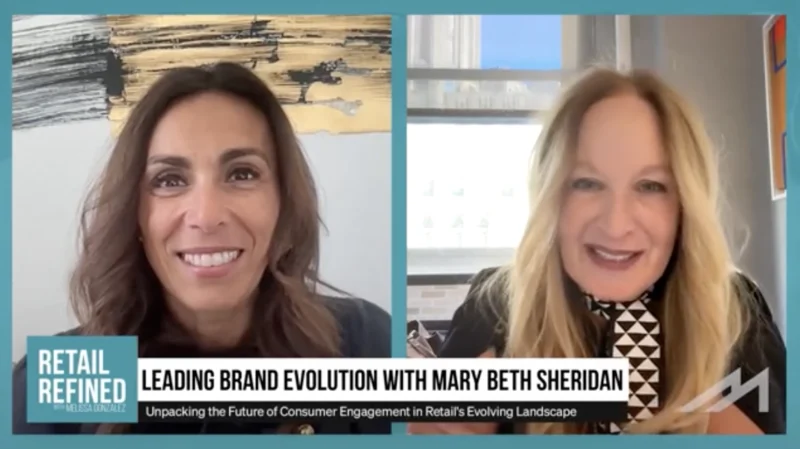
An important part of the retail ecosystem is customer loyalty. Retailers and brands fight hard to win over consumers, and many find success with reward programs. That’s today’s topic on Retail Refined. Host Melissa Gonzalez welcomed Jaysen Gillespie, SVP of Data and analytics for Shopkick. Gillespie has over two decades of experience in the industry and oversees all aspects of data and analytics for Shopkick. This retail app rewards consumers and feeds retailers and brands essential consumer data.

The life of a consumer is changing, and while COVID-19 didn’t create these recent trends, it did accelerate them. Gillespie said, “Consumers want to know more. They are researchers, and they also care about the values of brands.”

Shopkick partners with retailers and brands to support their customer loyalty programs. “There’s a misconception if you have one, customers will love it. Not true if it doesn’t benefit them or is limited or confusing. It does impact buying behavior. A recent study we did found 69 percent of customers consider the quality of loyalty programs in buying,” Gillespie shared.

In looking at how COVID has changed brand loyalty, supply chain disruptions caused some defection. If the brand of choice wasn’t available, shoppers had to consider alternatives. “What brands can learn from this how to improve operations to prevent this hopefully,” Gillespie added.

While in-store shopping suffered during the pandemic, Gillespie thinks there is an upside ahead. “Our research shows that people want to shop and dine again. The key is for brands and retailers to marry brick and mortar with the digital world. There’s a lot of room for retail innovation.”

Listen to Previous Episodes of Retail Refined Right Here!

Follow us on social media for the latest updates in B2B!

Image

Latest

physician advisor
Navigating Payer Denials: A Physician Advisor’s Perspective #2
December 2, 2025

A physician advisor recently described a case that should unsettle anyone who cares about fair, clinically grounded coverage decisions: a Medicaid patient arrived comatose from an overdose, was emergently intubated, developed aspiration pneumonia, and stayed through three midnights before leaving against medical advice. By any bedside standard, this is acute, unstable care—exactly what…

Read More
Inside ERISA Denials: Why Employers May Be the Real Decision-Makers Behind Your Insurance Card
December 2, 2025

Insurance denials aren’t new, but they’re hitting a breaking point right now. As prior authorizations surge and patients face longer delays for everything from imaging to specialty drugs, more providers are realizing that the “payer” on the card often isn’t the one truly holding the reins. A growing share of Americans are covered…

Read More
Laying Out the Landscape in Today’s Patient Monitoring
December 2, 2025

More and more hospital environments rely on continuous, high-quality data to support faster clinical decisions, but much of today’s patient monitoring still varies widely by unit, device, and workflow. This episode kicks off a five-part Health and Life Sciences at the Edge series exploring The Future of Patient Monitoring. Intel’s Kaeli Tully, Solutions Engineer…

Read More
Culture
People-Centric HR in Practice: How Jen Schomer Turns Organizational Chaos into a Culture of Trust and Performance
December 2, 2025

In today’s whiplash workplace—where startups scale fast, funding dries up faster, and employee expectations keep evolving—HR isn’t a back-office function anymore. The rise of fractional leadership, remote teams, and constant regulatory change has forced companies to rethink how they support people while still hitting business goals. Leaders are realizing that “culture issues” often trace…

Read More